Outdoor sandwich panels: façades, canopies, flooring and signage
Outdoor sandwich panels can be used for façade cladding, canopies, platforms and signage, combining low weight, rigidity and customisable surfaces.
Caricamento tempo di lettura... | 12.11.2026Outdoor sandwich panels can be used for façade cladding, canopies, platforms and signage, combining low weight, rigidity and customisable surfaces. Materials, thicknesses, finishes and machining operations are selected according to the application, exposure conditions and installation methods. A sandwich panel consists of two outer skins bonded to a lightweight core. The combination of these layers produces rigid components without the need for solid elements of the same thickness.
For an overview of composition, materials and application areas, see our guide sandwich panels: what they are and where they are used.
Sandwich panels are used in four main areas for outdoor applications:
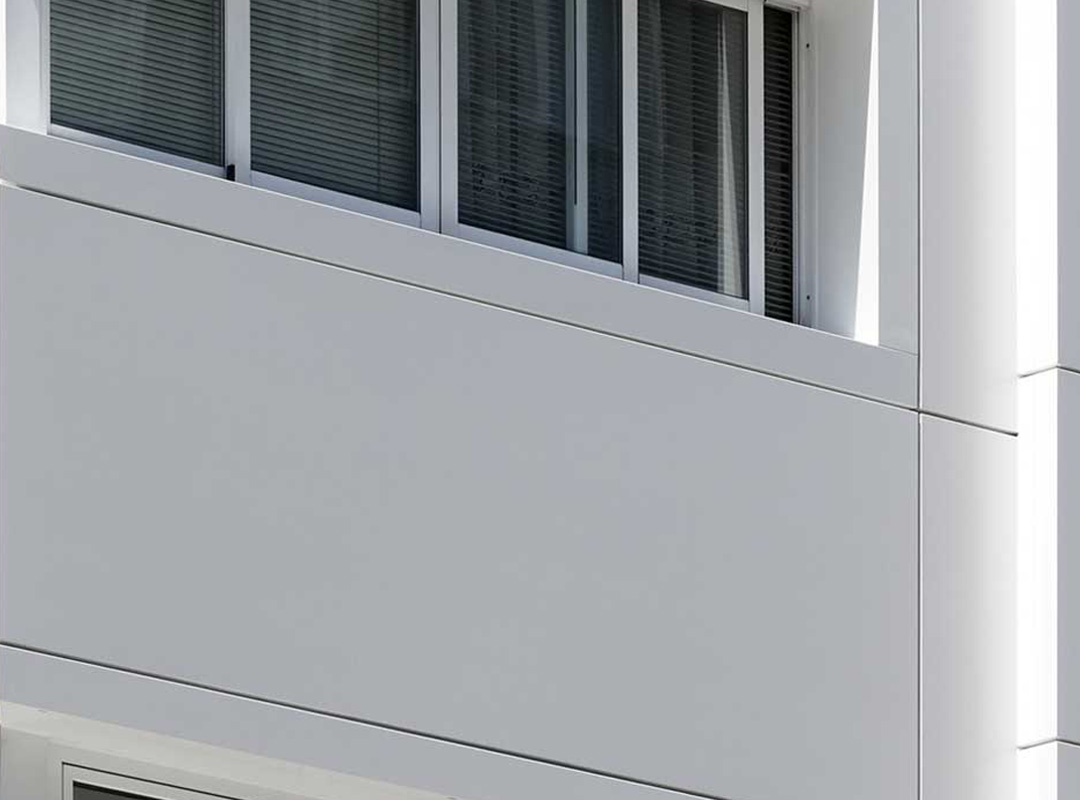
1. Facade cladding and ventilated facades
In architectural cladding, aluminium sandwich panels combine flat surfaces, low weight and customisation options. These features are particularly useful when a project involves large elements or geometries that require machining to drawings.
The COMPOCEL AL panel combines aluminium skins with a cellular core made of the same material, also known as honeycomb. The honeycomb structure contributes to the panel’s rigidity while keeping its weight low.
In ventilated façades, the panel forms the outer cladding, separated from the building wall by a substructure. The resulting cavity allows air to circulate.
2. Canopies and lightweight roofing
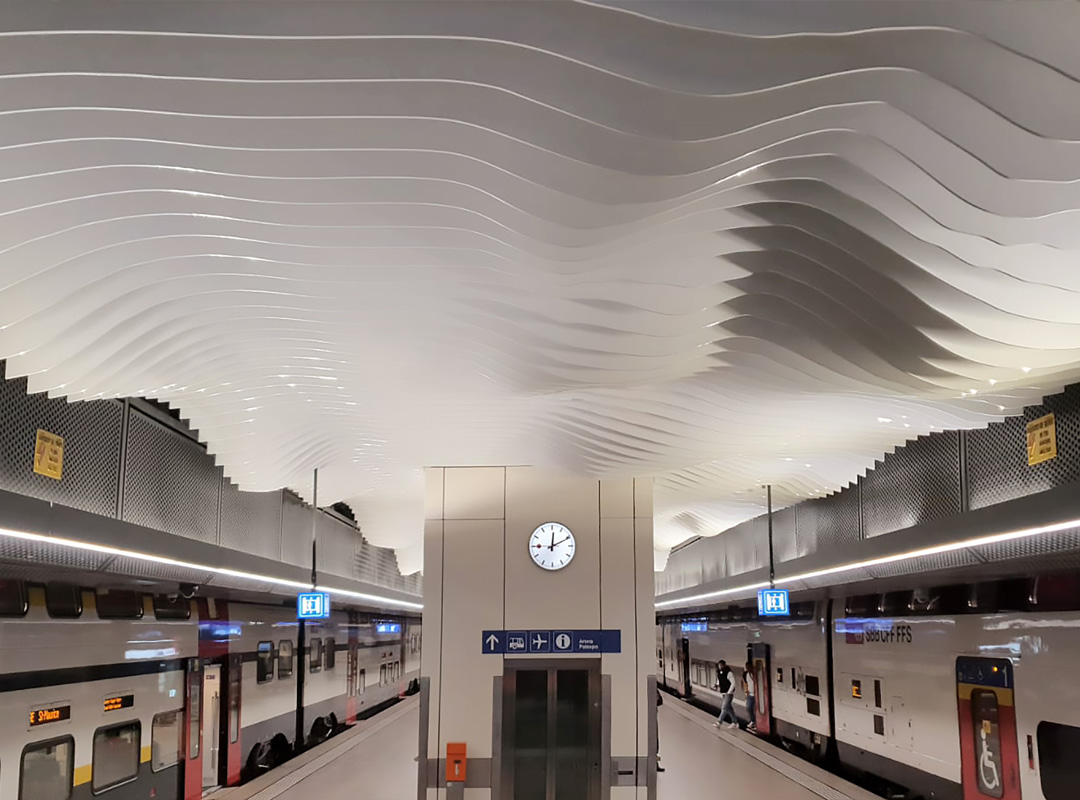
Sandwich panels are used for the cladding and soffits, meaning the undersides, of canopies in stations and public spaces. The aluminium honeycomb structure combines rigidity and low weight, making it suitable for large elements.
For these applications, the CEL Components range includes aluminium panels up to 2 metres wide and 6 metres long. Cutting to size, shaping and edging allow individual elements to be adapted to the roof geometry and installation details.
An example is provided by the canopies at Geneva Station, featured in the CEL Components outdoor project gallery.
3. Platforms and technical flooring
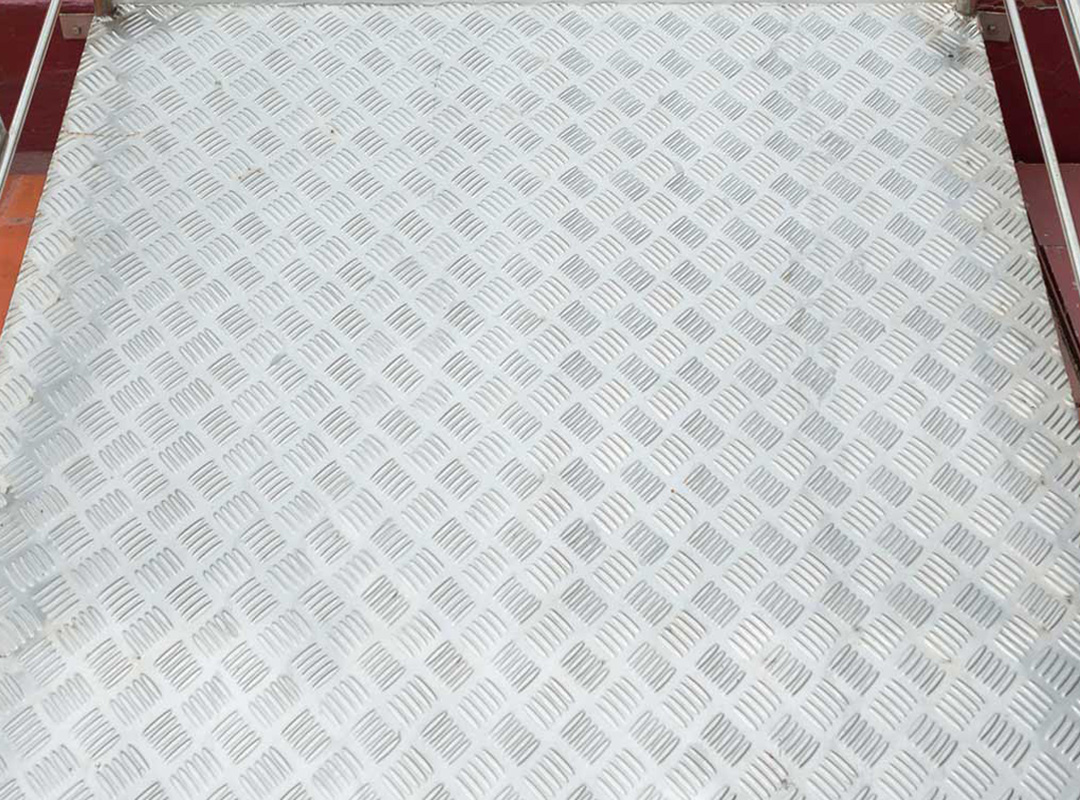
For platforms and technical flooring, sandwich panels provide walkable surfaces while keeping structural weight low. The combination of skins, core and thicknesses is selected according to the expected loads, the distance between supports and the operating conditions.
Surfaces can have different finishes: aluminium with a rice-grain or diamond tread pattern is used for non-slip platforms, technical rooms and engine rooms; other configurations can serve as a substrate for the floor covering specified in the project.
4. Signage and advertising structures
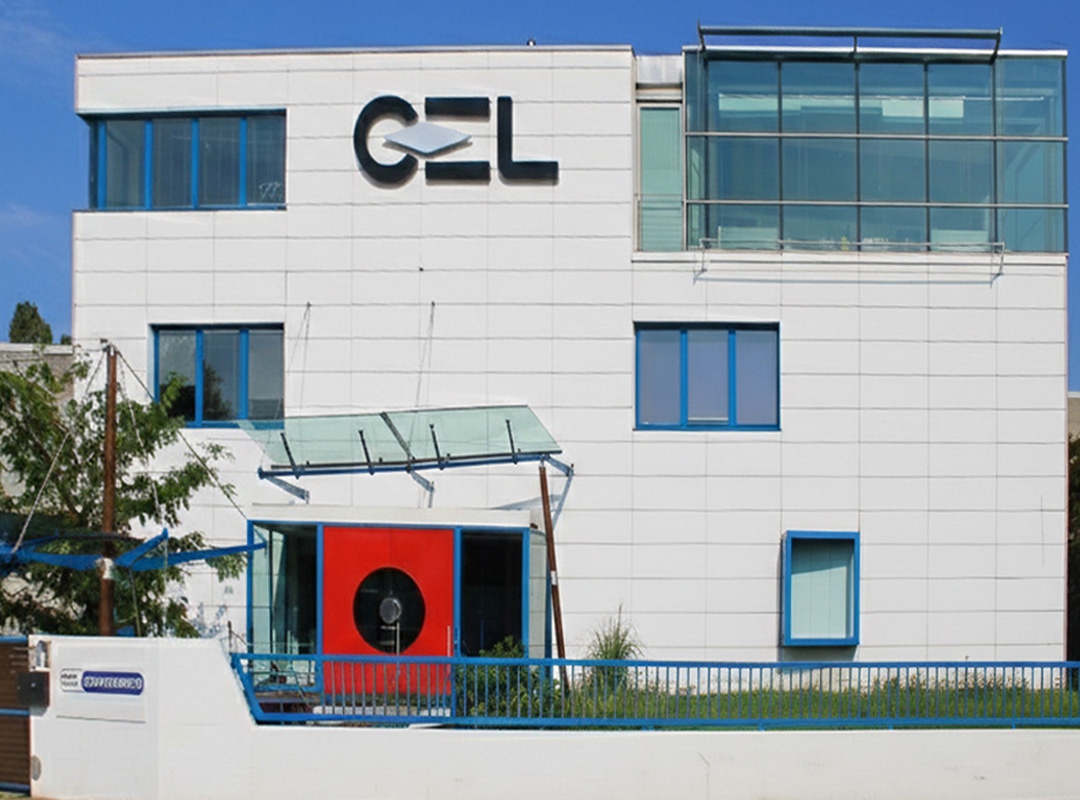
In visual communication, aluminium sandwich panels can be used to produce channel letters, shaped elements and large signs. Surfaces can be machined and painted, and the component can be prepared to incorporate lighting.
The CEL Components company sign is a practical example of this application. Made from COMPOCEL AL panels, it measures 1400 × 4200 mm overall and consists of five sections to facilitate handling and installation.
The panels were edged, painted black and fitted with LED backlighting. The project shows how materials, machining and finishes can be developed together to create a component intended for permanent outdoor installation.
Fixings and joints to incorporate into the design
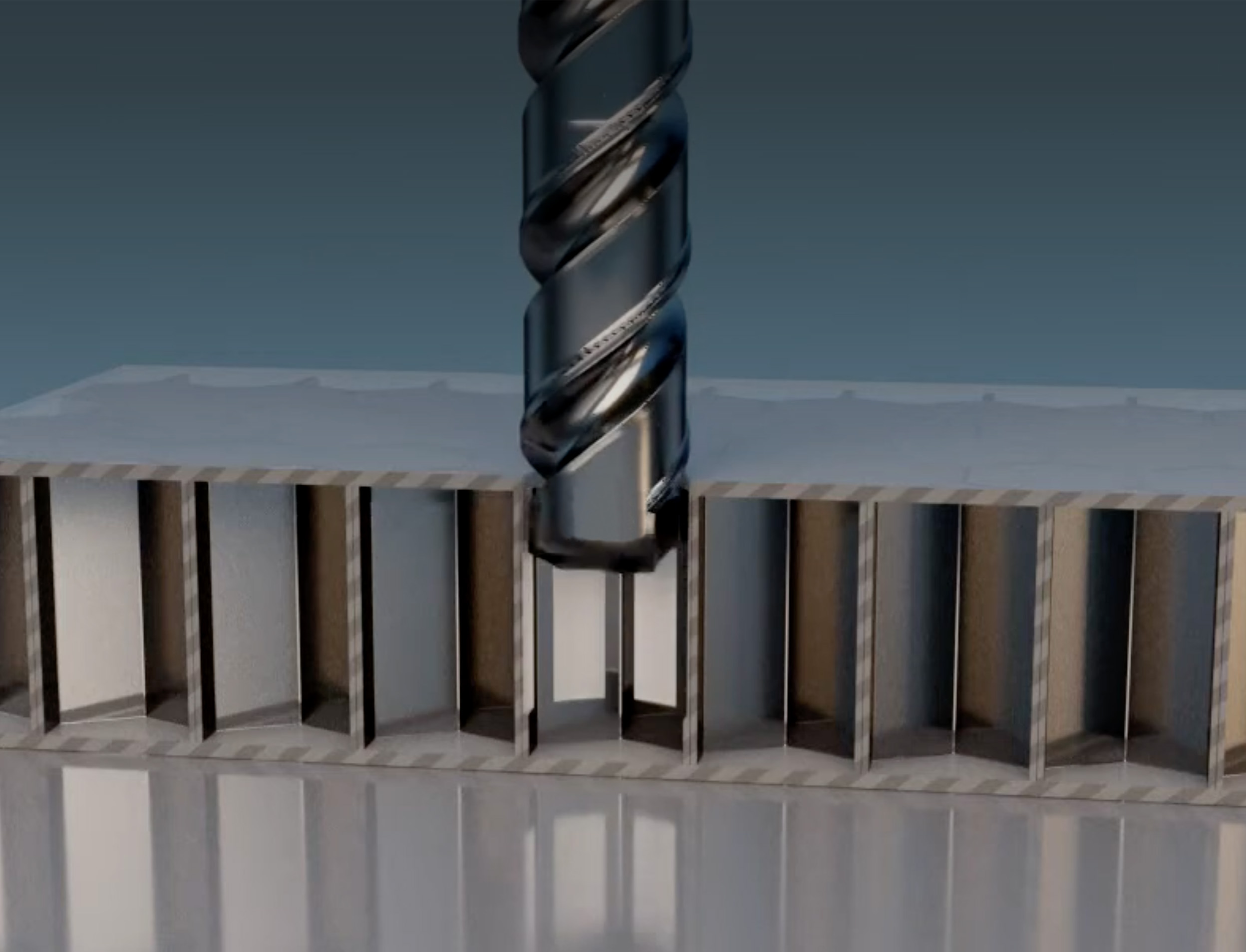
The fixing method affects both installation and the appearance of the cladding. Depending on the design, connections can remain visible or be concealed on the back of the panel. As a sandwich structure behaves differently from a solid sheet, anchoring points must be compatible with the skins and core. We can prepare holes, recesses and inserts during panel machining, according to the drawings supplied. Joints between elements must also allow for movement caused by temperature changes.
Integration options are explained in more detail in the article fixing systems for sandwich panels: inserts, joints and design criteria.
Finishes and edging for outdoor use
For exposed elements, the finish contributes both to the component’s appearance and to surface protection. Painted surfaces, RAL colours and other customisation options compatible with the application can be considered for aluminium skins. The edging, in turn, concerns the panel perimeter, where cutting can leave the core exposed. Solutions include applied edges, C- or T-shaped profiles and, in compatible configurations, folding the outer skin. When edging with profiles or by folding the outer skin is complex to achieve, structural foams can be considered as the panel core.
The various options are described in the article machining and finishing sandwich panels: from panel to finished component.
How to choose a sandwich panel for an outdoor application
For an initial discussion, the most useful information is:
- Application and installation environment: where the panel will be used and the conditions it will be exposed to.
- Dimensions and quantities: panel sizes, geometries and number of elements.
- Operating conditions: supports, loads and planned connection methods.
- Final appearance: colours, finishes, exposed edges and any custom graphics.
- Required machining and specifications: drilling, milling, inserts and any certifications to be checked for the proposed configuration.
Sharing this information at the enquiry stage helps define a supply that meets the project requirements and clarify which operations should be carried out before delivery.
Do you have a project for an outdoor application? Contact CEL Components with your drawings, dimensions, finishes and operating conditions: our team can help you select the most suitable panel and machining operations.
Related articles

Sandwich panels: what they are and where they are used

Case history: corporate signage made with Compocel AL panels
Fastening systems for sandwich panels: inserts, connections and design criteria
Resources & Contacts
Looking for more information or technical advice on the most suitable panel for your project?